You know, as transportation technology keeps changing at a breakneck pace, we just can’t ignore how crucial efficient power conversion systems are—especially when it comes to rail systems. That’s where the Locomotive Traction Inverter really shines! Recent industry buzz has it that the global market for these inverters is set to hit a whopping $1.2 billion by 2025. It’s all thanks to cool advancements in electric vehicle tech and a growing push toward sustainable rail solutions. At Bangzhao Electric Co., Ltd., we've been doing our thing for over a decade, providing top-notch system solutions, including lithium battery storage systems and a bunch of different inverters. We've got quite the expertise, especially when it comes to developing reliable locomotive traction inverters. Not only do these bad boys boost the operational capabilities of locomotives, but they also help lower carbon footprints in the transportation industry. In this blog, we'll dive into the key features and benefits of locomotive traction inverters and share some real-world examples, making it easier for global buyers to make smart choices.
Key Features of High-Quality Locomotive Traction Inverters from Leading Chinese Manufacturers
So, if you're in the market for locomotive traction inverters, there are definitely a few key features you should keep an eye on, especially when you're looking at what some of the top manufacturers in China have to offer. First and foremost, efficiency is a big deal. You really want those high-quality inverters to make the most out of energy conversion, cutting down on any unnecessary losses. This not only gives you better performance, but it also helps with fuel savings and can really lower your operational costs over time—who wouldn’t want that, right? And hey, don’t forget to check if they come with advanced cooling systems. Keeping the inverter cool means it can perform well no matter the conditions you throw at it.
Another thing to think about is whether the inverter has a modular design. This can make maintenance and upgrades a whole lot easier, which is super important if you're planning to use it for years to come. Plus, having strong safety features, like fault protection systems, boosts the reliability of the inverter, which means you won’t have to worry as much about unexpected downtime. That peace of mind is priceless!
Pro tip: When you’re shopping around for inverters, definitely look into the support and warranty services from the manufacturers. A solid support system can really help ease any worries and make your operations run more smoothly. And, make sure to check for industry certifications—they can really reassure you about the quality and safety of what you’re buying. Finally, it’s smart to consider how the inverter performs in different weather conditions to ensure it meets the specific needs of your applications. You want to be ready for anything!
Evaluating Efficiency: Performance Metrics of Traction Inverters in Modern Locomotives
When it comes to evaluating how effective traction inverters are in today’s locomotives, those performance metrics really are key in figuring out how well they work overall. You’ve got to look at important indicators like power conversion efficiency, thermal management, and how quickly they respond—all of which have a direct effect on how well a locomotive performs. Basically, a high-efficiency inverter means less energy is used, which is super important for cutting down operational costs and boosting sustainability. Plus, having advanced thermal management systems means the inverters can run safely within the right temperature ranges, which helps them last longer and be more reliable.
Just a quick tip: Optimize your inverter selection by zeroing in on those performance benchmarks. Check out datasheets that detail efficiency ratings and operational ranges. And hey, don’t forget to reach out to industry pros for those real-world insights—they can really make a difference in what you find out.
By integrating cutting-edge traction inverters, not only do you ramp up operational efficiency, but you also boost the overall reliability of your locomotive. Features like regenerative braking, which lets you reuse energy when braking, are crucial for modern rail systems that are trying to lower their carbon footprint.
And another tip: Make sure to assess the inverter's compatibility with the locomotive’s existing systems. You want to ensure that the components fit together seamlessly to get the best performance and safety, which will ultimately bring long-term advantages for buyers globally.
Cost-Effectiveness: How Chinese Manufacturing Impacts Global Pricing for Traction Inverters
You know, cost-effectiveness has really become a huge deal for buyers looking for traction inverters, especially with the way Chinese manufacturing is shaking things up in the market. It’s pretty wild when you look at the numbers—the traction inverter market is expected to skyrocket from about 17.7 billion dollars in 2025 to an astounding 67.6 billion by 2034! That’s a compound annual growth rate (CAGR) of 16.1%, according to some market research reports. The driving force behind this surge? Well, a lot of it has to do with tech advances, particularly the use of silicon carbide (SiC) and gallium nitride (GaN) in inverter designs. These materials really boost efficiency and help with thermal management, which is a big win for everyone.
Now, if we zoom in on the automotive sector, there’s a noticeable shift happening as these SiC and GaN technologies gain traction—no pun intended! This shift is not only helping to lower costs but also broadening where traction inverters can be used. It’s estimated that the electric commercial vehicle traction motor market will grow at a CAGR of 12.7%, hitting around 2 billion dollars by 2024. So, it’s clear the demand for innovative and budget-friendly solutions is on the rise. For global buyers, staying on top of the latest manufacturing trends and how they affect pricing is going to be super important in this competitive landscape.
Technological Advancements in Traction Inverter Designs: Trends Shaping the Industry
You know, the automotive industry is really going through a major overhaul lately, especially with more and more folks jumping on board with silicon carbide (SiC) and gallium nitride (GaN) technologies in traction inverters. These materials are absolutely key when we talk about boosting the efficiency and performance of electric vehicle (EV) powertrains. A recent market analysis has revealed that the global EV traction inverter market is set to grow quite a bit—like, over 20% each year from 2025 to 2034! Crazy, right? This surge mainly comes from the growing demand for lightweight, high-performance, and thermally efficient components that SiC and GaN bring to the table.
What's really exciting is how this shift toward SiC and GaN is changing up inverter designs, allowing for higher efficiency and longer battery life. Take SiC devices, for example; they can handle higher voltages and temperatures compared to traditional silicon ones, which is pretty much a game-changer for EVs where every ounce matters. As we speak, there’s a noticeable trend towards these cutting-edge materials—they made up about 30% of the semiconductor material used in the traction inverter market in 2023! This isn't just a cool tech development; it's like laying down the groundwork for future innovations that could really shape the next generation of electric vehicles.
Environmental Impact: The Role of Traction Inverters in Sustainable Railway Solutions
You know, when it comes to sustainable railway solutions, traction inverters are incredibly important—it's hard to emphasize just how crucial they are. Lately, there have been some eye-opening industry reports showing that if we electrify our rail networks and make good use of advanced traction inverter technology, we could cut down greenhouse gas emissions by as much as 50% compared to those old diesel locomotives. These traction inverters are key players in this shift since they convert electrical energy from the traction system into super-efficient power that drives electric trains. This not only boosts energy performance but also makes them more reliable overall.
And get this: rolling out these state-of-the-art traction inverters fits right in with the global movement toward greener transport options. A study from the International Energy Agency (IEA) back in 2021 even suggests that switching to electric trains, powered by these advanced inverters, could not only bring down operational costs but also reduce noise pollution by a whopping 20%. Talk about a win-win! It really highlights how adopting this tech isn't just about helping the planet; it also makes the ride for passengers a lot more pleasant—quieter and smoother. As countries work hard to meet their climate goals, there's no doubt that traction inverters will be leading the charge in sustainable railway innovation.
Global Market Trends: Analyzing Demand for Locomotive Traction Inverters in 2023
Hey there! Have you noticed how fast the global market for locomotive traction inverters is growing lately? It's pretty exciting stuff, really. So, just to give you an idea, it's expected to be worth around USD 24.53 billion this year. But hold on, because next year, it's predicted to jump to about USD 25.78 billion, and then really take off to roughly USD 43.42 billion in just a few years! This boom is all thanks to new tech advancements and a push for more efficient and greener transportation options.
Looking specifically at the railroad traction power supply system market, it's also riding this wave, hitting a value of USD 28.88 billion in 2022. Forecasts are saying it could reach around USD 43.99 billion by 2030. This growth really shows how much we're relying on electric traction systems these days. Companies are starting to really prioritize cutting emissions and improving how efficiently they operate. As countries globally pour money into updating their infrastructure and expanding rail networks, the need for advanced locomotive traction inverters is definitely on the rise. It's an exciting time for global buyers who want to keep up with these changes in the energy world!
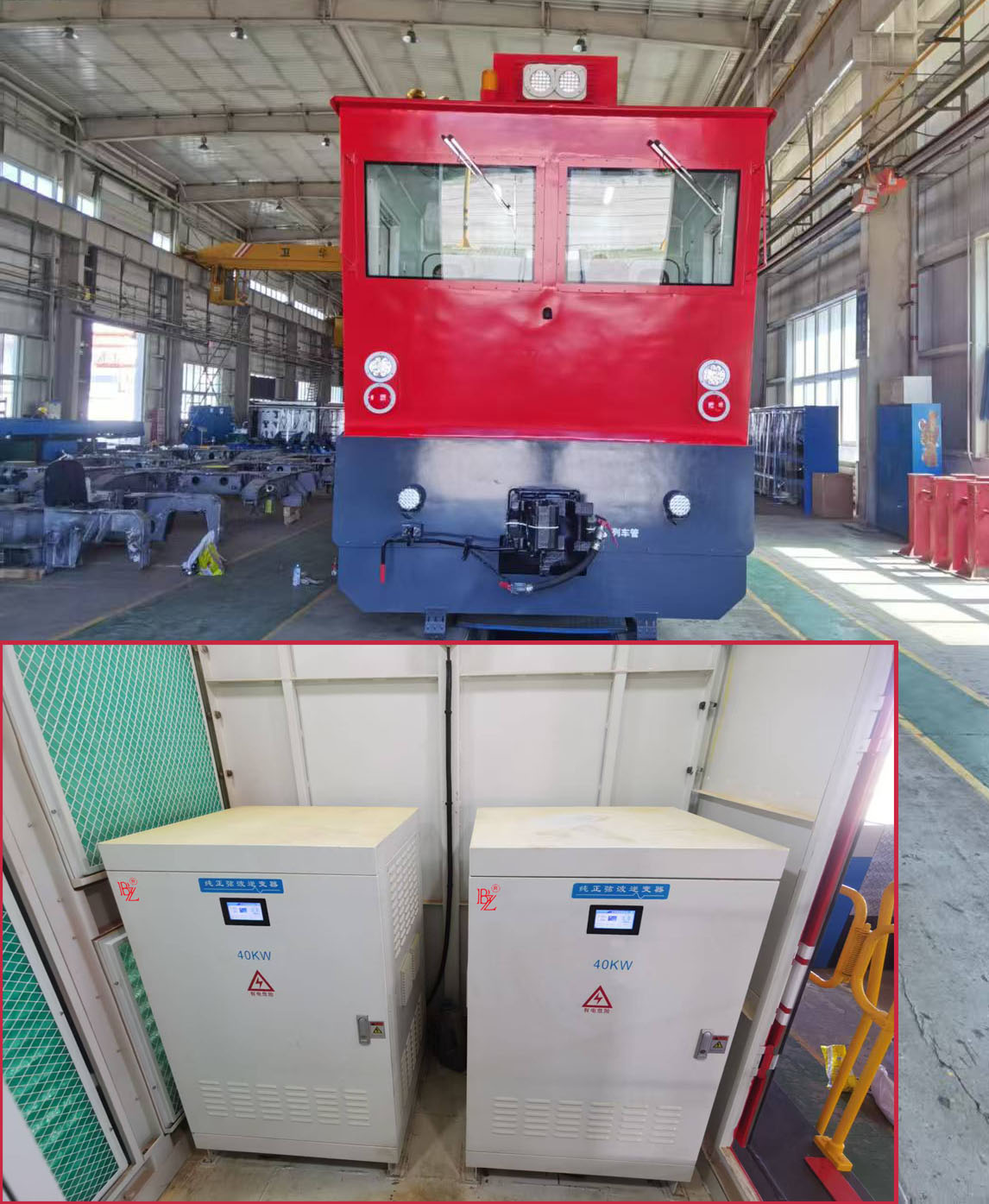 This bar chart displays the projected demand for locomotive traction inverters by region in 2023. The data illustrates a significant increase in demand in the Asia-Pacific region, while North America shows steady figures, reflecting global market trends in locomotive technologies.
FAQS
: The primary feature to look for is efficiency, as high-quality inverters are designed to maximize energy conversion while minimizing losses, which enhances performance and contributes to fuel savings.
Modular design is important because it allows for easier maintenance and upgradability, which is crucial for operators looking for longevity in their investments.
Traction inverters convert electrical energy into highly efficient power for electric locomotives, reducing greenhouse gas emissions by up to 50% compared to traditional diesel locomotives and supporting the transition to eco-friendly transportation.
Advanced traction inverters are projected to lower operational costs and decrease noise pollution by over 20%, leading to a quieter and smoother passenger experience.
Buyers should pay close attention to the manufacturer’s support and warranty services, as a strong support system can alleviate concerns and facilitate smoother operations.
The global market for locomotive traction inverters is projected to reach USD 25.78 billion in 2024, reflecting significant growth driven by technology advancements and demand for sustainable transportation solutions.
The railroad traction power supply system market was valued at USD 28.88 billion in 2022, with projections indicating a rise to USD 43.99 billion by 2030.
Industry certifications provide reassurance regarding the quality and safety standards of the product, helping buyers make informed purchasing decisions.
Traction inverters facilitate electrification of rail networks, leading to reduced greenhouse gas emissions and supporting global efforts for more sustainable transport alternatives.
By converting electrical energy from the traction system efficiently, traction inverters enhance the overall energy performance and reliability of electric locomotives.